- Home
- Smile Journal
- Restorative
Dental implants vs. bridges: which is right for you?
Missing a tooth? Both implants and bridges can give you a natural-looking smile back. Here's an honest comparison to help you walk into your consultation informed.
A missing tooth is more than a gap in your smile. Over time, neighboring teeth can drift into the space, your bite can change, and the jawbone where the root used to be gradually shrinks. Replacing the tooth protects everything around it.
How a dental bridge works
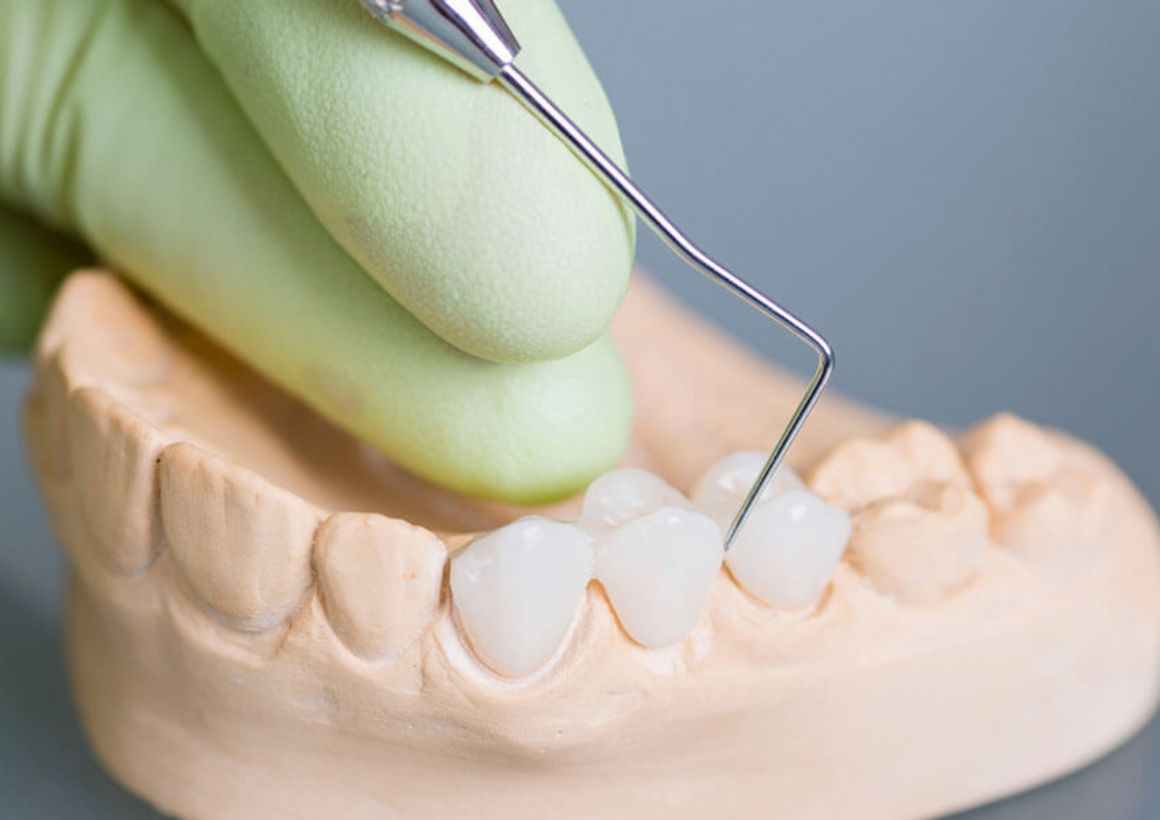
A bridge "bridges" the gap with a false tooth (called a pontic) held in place by crowns on the teeth on either side. Those neighboring teeth are reshaped so the crowns can fit over them.
- Treatment time: usually two visits over a few weeks.
- No surgery is involved.
- Trade-off: healthy enamel is removed from the supporting teeth, and cleaning under a bridge takes a little extra effort (a floss threader or water flosser helps).
How a dental implant works
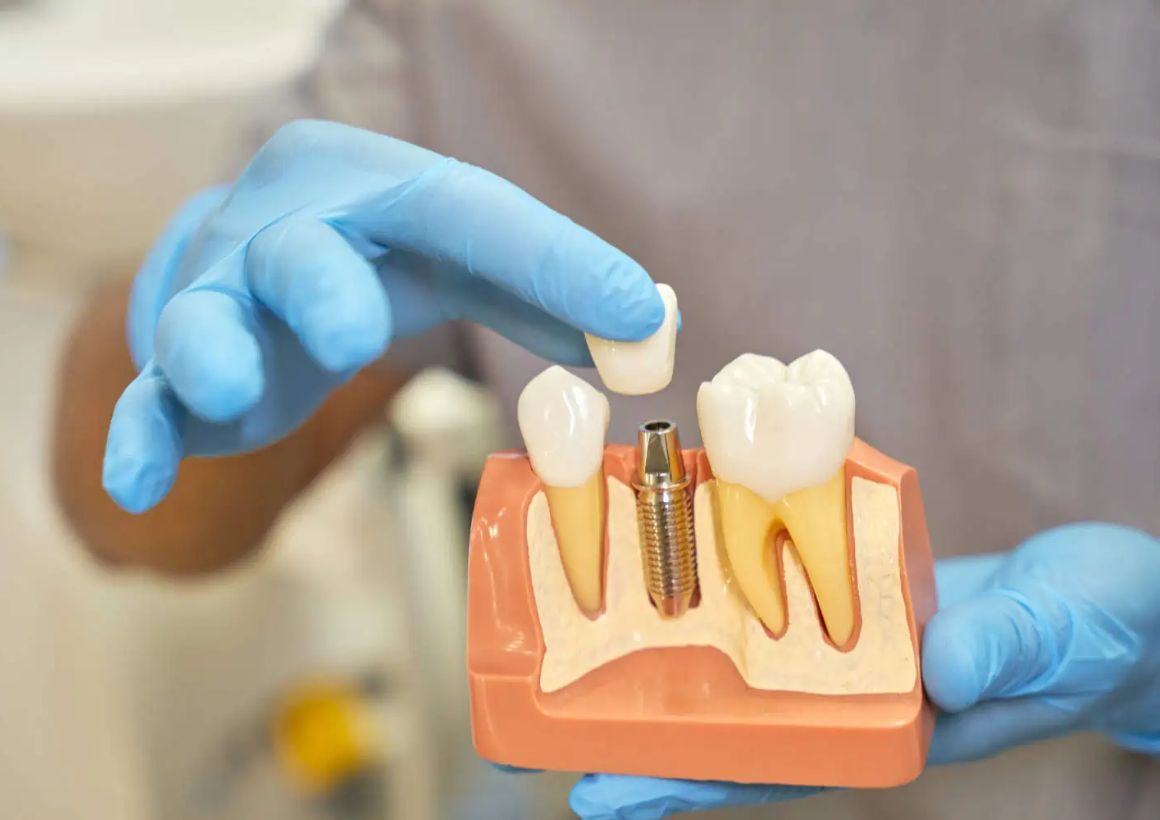
An implant replaces the root as well as the crown. A small titanium post is placed in the jawbone, where it fuses with the bone over roughly 3–6 months. A custom crown is then attached on top.
- Treatment time: several months from start to final crown.
- Stand-alone: neighboring teeth are left untouched.
- Bone health: because it acts like a root, an implant helps preserve the jawbone.
- Trade-off: it involves minor surgery, and some patients need a bone graft first.
Side-by-side comparison
| Implant | Bridge | |
|---|---|---|
| Affects neighboring teeth | No | Yes — they're crowned |
| Surgery required | Yes (minor, local anesthesia) | No |
| Typical timeline | 3–6+ months | 2–4 weeks |
| Preserves jawbone | Yes | No |
| Typical lifespan | Often decades with good care | Often 10–15 years |
| Cleaning | Brush and floss like a natural tooth | Needs a threader or water flosser |
| Upfront cost | Usually higher | Usually lower |
Thinking about cost over time
A bridge often costs less upfront. But because bridges may need replacing after 10–15 years — and the supporting teeth can develop problems of their own — an implant can be the better value over a lifetime for many people.
Dental insurance often covers part of a bridge and, increasingly, part of an implant. We'll check your benefits for free and give you a clear written estimate before you decide.
Who is a good candidate for each?
An implant may suit you if…
- The teeth next to the gap are healthy and you'd rather not crown them
- You have enough jawbone (or are open to grafting)
- You're looking for the longest-lasting option
A bridge may suit you if…
- The neighboring teeth already need crowns
- You'd prefer to avoid surgery or need a faster result
- Certain health conditions make implant surgery less advisable
The best next step
There's no one right answer — it depends on your mouth, your health and your priorities. At a consultation, our team uses digital X-rays and 3D imaging to show you exactly what's going on and walks you through every option, including dentures, with clear pricing. Dr. Rikesh Patel focuses on periodontics and implant dentistry.
Timelines, lifespans and costs vary from patient to patient. This article is general information, not a treatment recommendation.